 By BrandsShouts
 Pi Coin (often just “Pi”) is one of the more talked-about crypto projects of the last few years. It started as a mobile mining experiment, where people earned Pi by tapping a button on their phone. Now that the project has moved into active trading and wider adoption, many Indians want to know: “Can I buy Pi Coin? And if yes, how do I buy it in India in 2026?”
Here is step by step guide.
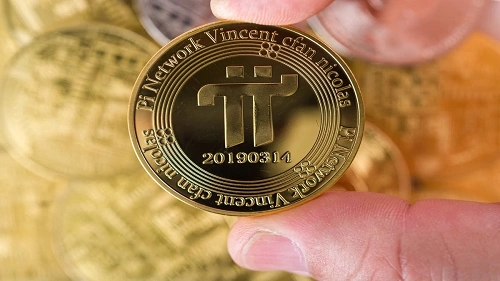
What is Pi Coin?
Pi Coin is a cryptocurrency launched by the Pi Network team. It began in 2019 as a way for everyday people to earn tokens using simple mobile app engagement instead of expensive mining rigs.
By 2026 the Pi Network has evolved:
- Pi transitioned from pre-launch earning mode to active network with trading access
- Pi coins can be bought and sold on certain crypto exchanges (centralized or decentralized)
- Users can hold Pi in wallets that support it
Unlike Bitcoin, Pi doesn’t require heavy computing power. But it still runs on blockchain technology.
Is Pi Coin legal in India?
This is important. Cryptocurrency in India is not banned. Buying, holding, trading, and selling most cryptocurrencies is allowed, subject to:
- KYC requirements
- Reporting taxes on gains
- Exchanges complying with Indian law
Pi Coin doesn’t have a special legal ban. But legality depends on:
- The exchange you use
- Whether Pi is listed and approved on that platform
- Following Indian tax and crypto reporting rules
If Pi is listed and available on Indian-friendly exchanges, Indians can buy it just like Bitcoin or Ethereum.
Ways to buy Pi Coin in India (2026)
There are two main methods:
Method 1 — Buy on a crypto exchange
This is the cleanest and safest way if Pi is listed.
Step 1: Pick a suitable exchange
Choose an exchange that:
- Lists Pi Coin
- Allows Indian users
- Offers INR deposits
- Has good security and reputation
If Pi isn’t on Indian exchanges yet, you might use a global platform that supports Indian residents and Pi trading pairs (like Pi/USDT or Pi/INR).
Step 2: Create and verify your account
You must:
- Sign up with your email/phone
- Complete KYC (identity and address proof)
- Link your bank account
No serious exchange lets you trade without verification.
Step 3: Add money (INR)
Once your account is verified, deposit Indian rupees via:
- UPI
- Net banking
- Bank transfer
Your wallet on the exchange will show your INR balance.
Step 4: Find Pi Coin market
Search for:
- PI/INR (if available)
- PI/USDT or similar pair
Look at the live price chart and order book before buying.
Step 5: Place your order
You can choose:
- Market order – buy instantly at current price
- Limit order – buy only at a price you set
Enter how much Pi you want and confirm.
After execution, Pi coins appear in your exchange wallet.
Method 2 — Buy Pi from person-to-person (P2P)
If Pi isn’t listed on exchanges yet but community trading exists:
What P2P means
This means buying Pi directly from other people via:
- Telegram groups
- Discord
- Crypto communities
But there are big risks:
- No escrow protection
- Higher chance of scams
- Price manipulation
If you use P2P, always use:
- Escrow or trusted middleman
- Strong proof of transfer
- Clear records
This method is not recommended unless you’re very experienced.
Where you store Pi Coin after buying
Once you buy Pi, don’t keep it sitting in an exchange long-term unless you trust the platform.
Possible storage options:
Exchange wallet
Pros:
- Easy to trade
- Quick access
Cons:
- You don’t control private keys
Personal crypto wallet
Better long-term approach:
- Mobile wallets
- Web wallets
- Hardware wallets (most secure)
Rule of thumb: not your private keys = not your coins.
Fees and charges to expect
When you buy Pi:
- Brokerage or trading fee
- Deposit fee (rare with UPI)
- Withdrawal fee
- Network fee (if you move Pi out)
Check the fee schedule before confirming the trade.
Taxes on buying and selling Pi in India
India taxes crypto gains strictly:
When you sell or trade
- 30% tax on gains (no slabs)
- No set-off with other income
On each trade
A small tax may be deducted at source (TDS/TCS)
Wallet transfer
Just moving Pi from exchange to wallet doesn’t trigger tax — selling does.
Keep records of:
- Buy price
- Sell price
- Quantity
- Date/time
Good records save disputes later.
Risks you must understand
Pi price can be:
- Wildly volatile
- Illiquid if few buyers/sellers
- Manipulated in low-volume markets
Other risks:
- Exchange hacks
- Losing access to your wallet
- Regulatory shifts in India
Never invest money you can’t afford to lose.
Is Pi Coin a good investment?
There’s no one-size answer. Think this way:
Pros
- Large community
- Potential listing growth
- Easy entry
Cons
- Early project risk
- Price uncertainty
- Possible delisting or regulatory bans
Real investing isn’t about hype — it’s about risk and reward.
Quick checklist before you buy Pi Coin
- Exchange is reputable
- You completed KYC
- You checked tax rules
- You have a plan (buy, hold, sell)
- You keep secure wallet backups
Final thoughts
Buying Pi Coin in India in 2026 is possible if the project is actively listed and tradeable on exchanges that accept Indian users. The process closely follows how you buy other cryptocurrencies create an account, verify identity, fund it legally, and place an order. Security and tax compliance are non-negotiable.