 By BrandsShouts
 Silver has always lived in gold’s shadow, but that’s exactly why many investors are looking at it again in 2026. It’s cheaper, more volatile, widely used in industry, and easier to accumulate in small amounts. With everything moving online, you no longer need to walk into a jewellery shop or deal with heavy bars to invest in silver.
If you’re new to silver, this guide explains everything from scratch — what silver investment really means, the different online options available in India, how each method works, and which one suits which kind of investor.
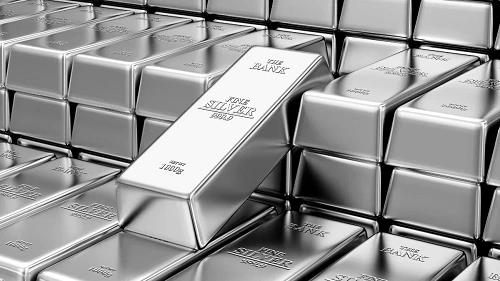
What does “buying silver” actually mean?
Buying silver doesn’t always mean holding shiny coins in your cupboard.
In India today, silver investment falls into four broad categories:
- Physical silver (coins and bars)
- Silver ETFs
- Digital silver
- Silver futures (advanced)
Each method has its own purpose, risk, and convenience level.
Why people buy silver
Silver attracts investors for a few simple reasons:
- It is far cheaper than gold, so entry is easy
- It is used heavily in solar panels, electronics, EVs, and medical tech
- It works as a hedge against inflation and currency weakness
- It performs well during global uncertainty, though with higher swings
Silver is not a “safe and steady” asset like fixed deposits. It moves fast — both up and down.
1. Buying physical silver online (coins & bars)
This is the most traditional method, just done digitally.
How it works
You order silver coins or bars online. The seller delivers it to your home, sealed and certified.
Where people buy
- Bank websites
- Jewellery brands
- Reputed online bullion sellers
Things to check
- Purity: Look for 999 fine silver
- Hallmarking and certification
- Making charges and GST
- Secure packaging and buyback option
Pros
- You own real silver
- No counterparty risk
- Long-term wealth storage
Cons
- Storage and safety issues
- GST applies
- Selling may take time
Best for investors who like tangible assets and long-term holding.
2. Buying silver ETFs (most popular for investors)
Silver ETFs are the cleanest and most professional way to invest online.
What is a silver ETF?
A silver ETF is a fund that holds physical silver on your behalf. You buy ETF units just like shares.
In India, silver ETFs trade on exchanges like National Stock Exchange and Bombay Stock Exchange.
What you need
- Demat account
- Trading account
How it works
- You buy ETF units online
- The fund stores silver in vaults
- Price closely tracks silver market rates
Pros
- No storage worries
- High liquidity
- Transparent pricing
- Easy taxation tracking
Cons
- Small expense ratio
- You don’t hold physical silver
Best for serious investors who want exposure without hassles.
3. Buying digital silver (small-ticket option)
Digital silver lets you buy silver worth as little as ₹10–₹100 online.
How it works
- You buy silver digitally via apps or platforms
- Silver is stored in insured vaults
- You can sell anytime or convert to physical silver
Why people like it
- Very low entry amount
- Instant buying and selling
- No storage headache
Important caution
Digital silver is not regulated like ETFs. Always check:
- Where silver is stored
- Audit and vaulting details
- Redemption process
Best for beginners who want to start small and learn.
4. Silver futures (not for beginners)
Silver futures are traded on commodity exchanges like Multi Commodity Exchange.
Key points
- Highly leveraged
- Requires margin money
- Daily price fluctuations can be brutal
This is trading, not investing. One mistake can wipe capital quickly.
Avoid unless you fully understand commodities.
Taxation of silver in India (simple version)
- Physical silver and digital silver: Capital gains apply
- Silver ETFs: Treated as non-equity mutual funds
- Holding period matters for tax calculation
Always maintain purchase records, invoices, and statements.
How much silver should you buy?
Silver works best as a support asset, not the core of your portfolio.
Most financial planners suggest:
- 5% to 15% allocation
- Gradual buying instead of lump sum
- Long-term horizon
Avoid putting emergency funds into silver.
Common mistakes beginners make
- Buying without checking purity
- Falling for “guaranteed return” claims
- Ignoring tax and exit rules
- Confusing digital silver with ETFs
- Overexposure due to low price temptation
Cheap does not mean safe.
Final thoughts
Buying silver online in India in 2026 is easier than ever. The choice depends on why you’re buying.
- Want simplicity and liquidity? → Silver ETFs
- Want real metal? → Physical silver
- Want to start with small amounts? → Digital silver
- Want to trade short-term moves? → Futures (only if experienced)
Silver rewards patience and discipline. Treated casually, it becomes noisy. Treated thoughtfully, it becomes a powerful hedge in your financial journey.