 By BrandsShouts
 Trust.
It’s the quiet force behind every successful property brand. Renters want to feel safe. Owners want reliability. Property managers want fewer surprises. And when expectations collide without clarity, reputation takes the hit.
Today’s renters research everything before applying — reviews, policies, communication style, even how screening works. A confusing or secretive process can create anxiety before the lease is even signed. That anxiety often turns into negative reviews, abandoned applications, or disputes that linger online.
Transparent tenant screening flips that experience. Instead of uncertainty, renters see fairness. Instead of frustration, they feel informed. And for property businesses aiming to strengthen brand perception, this openness isn’t a small detail — it’s a differentiator.
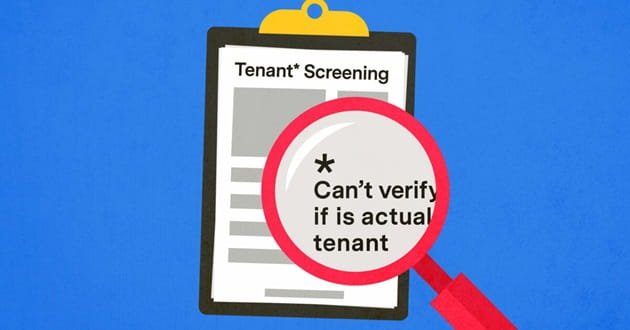
Let’s explore how transparency in screening shapes stronger property brands, improves tenant experience, supports digital reputation, and builds loyalty that lasts far beyond the first lease term.
Branding Challenges Property Businesses Face
Property brands don’t struggle because of buildings. They struggle because of perception.
Renters talk. They leave reviews. They compare experiences across platforms. A single confusing screening decision can ripple across social media, listing sites, and referral networks.
Lack of Clarity Creates Distrust
Many applicants don’t fully understand screening criteria. When a denial arrives without explanation, frustration grows. Applicants often assume bias, unfair treatment, or hidden requirements.
And concerns about fairness aren’t unfounded.
According to the 2023 Fair Housing Trends Report — National Fair Housing Alliance, 33,007 fair housing complaints were filed, the highest level recorded. More than 53% involved disability-related discrimination, and complaints rose by 5.74% year over year.
These numbers reflect how sensitive housing decisions are. Even perceived unfairness can damage a brand’s credibility.
Reputation Moves Faster Than Policy
One disappointed applicant may post publicly within minutes. Reviews rarely explain policy details — they reflect emotions.
Consider the reality:
- Applicants denied without feedback often assume bias
- Confusing fee structures trigger refund disputes
- Delayed screening responses lead to abandoned applications
- Privacy concerns raise hesitation about sharing personal data
Short sentences tell the story.
Confusion spreads.
Trust drops.
Applications slow.
A Market Where Renters Have Options
Data from the 2023 Rental Housing Finance Survey — U.S. Census Bureau & HUD shows 22.7 million rental properties in the market, with individual investors owning 72% of them. The median monthly rent reached $1,354, meaning renters weigh decisions carefully before committing.
When renters have choices, they gravitate toward brands that feel predictable and respectful.
Transparency becomes a brand signal.
How Transparency Builds Trust and Confidence
Transparency isn’t about revealing sensitive data. It’s about removing uncertainty.
When renters understand how decisions are made, they feel respected even if outcomes aren’t favorable.
Clear Expectations Reduce Anxiety
Applicants want answers to simple questions:
- What credit score range is considered?
- How is income evaluated?
- Are past evictions automatic disqualifiers?
- How long does screening take?
- What data will be reviewed?
Providing answers upfront shifts the tone of the relationship. Renters stop guessing and start preparing.
According to the 2023 Property Management Industry Report — National Association of Residential Property Managers, 86% of property managers conduct background checks on all applicants, and 74% say transparency around screening lowers eviction risk.
That statistic highlights a powerful insight: openness doesn’t weaken screening — it improves outcomes.
Fairness Feels Visible
When policies are shared publicly, renters feel the process is consistent. Even denied applicants may leave positive feedback if communication felt respectful.
Fairness isn’t just about rules.
It’s about perception.
It’s about tone.
Transparency also reduces disputes and chargebacks tied to application fees because applicants know exactly what they’re paying for.
Transparency Strengthens Brand Story
Property brands that openly explain screening criteria communicate professionalism without sounding distant. They demonstrate:
- Accountability
- Consistency
- Respect for applicant time
- Commitment to safe communities
These signals influence review sentiment, referral likelihood, and overall brand positioning.
The Role of Technology in Transparent Screening
Technology changed renter expectations. Instant updates, clear dashboards, and digital communication now shape how applicants judge professionalism.
Screening is no exception.
Digital Screening Improves Communication
Online screening tools provide visibility into each step of the process. Applicants receive notifications, status updates, and clear instructions — reducing uncertainty.
Property teams also benefit:
- Faster decision timelines
- Reduced administrative errors
- Documented communication trails
- Better compliance tracking
The market supporting these tools continues to grow. The Tenant Background Checks Market Report 2023 — IBISWorld estimates the screening industry generated $1.3 billion in revenue and grew at an annual rate of 6.4% between 2018 and 2023, with over 2,000 businesses offering screening solutions.
Growth reflects demand for clarity, efficiency, and consistency.
Visibility Helps Protect Sensitive Data
Transparency doesn’t mean exposing personal information. Instead, it shows applicants how their data is used, stored, and protected.
Privacy reassurance matters more than ever.
The Consumer Sentinel Network Data Book 2023 — Federal Trade Commission reported 5.39 million consumer complaints, including 1.03 million identity theft cases. Complaints involving credit bureaus and information furnishers exceeded 440,000.
These figures highlight why renters feel cautious when sharing financial and identity data during applications.
Explaining security practices helps remove that fear.
Technology Enables Consistent Decision-Making
Manual screening often leads to inconsistencies across applicants. Digital systems apply the same criteria each time, strengthening fairness perception and reducing internal bias.
Property teams can also document decision reasoning — useful for compliance, dispute resolution, and reputation management.
For example, platforms offering tenant screening services help property businesses present clear screening steps, provide applicant-friendly explanations, and maintain documented workflows that support transparency.
That clarity improves both renter confidence and operational efficiency.
Tenant Experience and Digital Reputation Management
Tenant experience doesn’t begin at move-in. It begins at application.
And first impressions stay online.
Screening Experience Influences Reviews
Applicants who feel respected during screening are more likely to leave neutral or positive feedback — even if denied. Those who feel ignored often express frustration publicly.
Review patterns frequently mention:
- Communication speed
- Clarity of screening criteria
- Fee transparency
- Professionalism during denials
These details influence future applicants more than marketing campaigns.
Short sentences again.
Reviews matter.
Applicants read them.
Reputation compounds.
Transparent Communication Reduces Conflict
Conflict often stems from misunderstanding. When screening timelines, criteria, and possible outcomes are explained early, disputes drop.
Transparent denial explanations also demonstrate professionalism. A brief, respectful message outlining reasons and next steps can prevent negative sentiment from escalating.
Digital Reputation Impacts Occupancy and Revenue
Property brands with strong reputations attract better applicants and experience fewer vacancies. Renters are willing to wait — or even pay slightly more — for communities perceived as fair and well-managed.
Transparency contributes to that perception by signaling accountability and ethical practice.
It also supports retention. Renters who trust management during screening are more likely to trust them during maintenance issues, renewals, and policy updates.
Long-Term Loyalty and Brand Strength
Brand strength isn’t measured by occupancy alone. It’s measured by retention, referrals, and trust over time.
Transparent screening sets the foundation for all three.
Trust Established Early Carries Forward
The screening phase establishes tone. If applicants feel informed and respected, that perception influences their entire tenancy.
They become more cooperative.
They communicate openly.
They renew leases more often.
Trust compounds across the resident journey.
Transparency Attracts Better Applicants
When criteria are public, applicants self-select. Those who meet requirements proceed confidently. Those who don’t may wait, improve qualifications, or apply elsewhere without frustration.
This self-selection reduces wasted time for property teams while maintaining positive brand perception.
Loyalty Drives Organic Growth
Satisfied tenants become advocates. They recommend communities to friends, share positive experiences online, and renew leases more frequently.
Organic referrals carry more credibility than paid marketing. And transparency is often the reason tenants feel comfortable recommending a property brand.
Small Moments Create Lasting Impressions
Sometimes loyalty grows from simple actions:
- A clear screening FAQ
- Prompt application updates
- Respectful denial communication
- Transparent fee explanations
These moments feel minor internally but significant to renters navigating stressful housing decisions.
Consistency builds loyalty.
Practical Ways Property Businesses Can Improve Transparency
Transparency doesn’t require major system overhauls. Small adjustments can significantly improve renter perception.
Consider these actions:
- Publish screening criteria in listing descriptions
- Provide estimated screening timelines
- Offer application status updates automatically
- Explain screening fees and refund policies clearly
- Share privacy and data protection practices
- Deliver respectful denial explanations with guidance
Bullet points. Simple. Effective.
Property teams that adopt these practices often see fewer disputes, stronger reviews, and more confident applicants.
Conclusion
Transparent tenant screening isn’t just an operational improvement — it’s a branding strategy.
Property businesses face growing challenges around renter expectations, online reviews, and fairness perception. When screening feels unclear or inconsistent, trust weakens quickly. Applicants become hesitant. Reviews turn negative. Brand perception suffers.
Transparency changes that trajectory.
Clear screening criteria reduce anxiety. Open communication fosters fairness. Technology improves consistency and provides visibility into the process. Stronger tenant experience leads to better reviews, higher retention, and organic referrals.
Data reinforces this shift. Rising fair housing complaints highlight the need for visible fairness. Identity theft concerns show why privacy explanations matter. Industry growth reflects demand for trustworthy screening solutions. Property managers themselves report fewer eviction risks when transparency is present.
Ultimately, trust built during screening carries through the entire resident journey.
It shapes communication.
It influences loyalty.
It strengthens brand reputation.
For property businesses aiming to stand out in a competitive rental market, transparent tenant screening offers something powerful — credibility that renters can feel before they ever receive their keys.